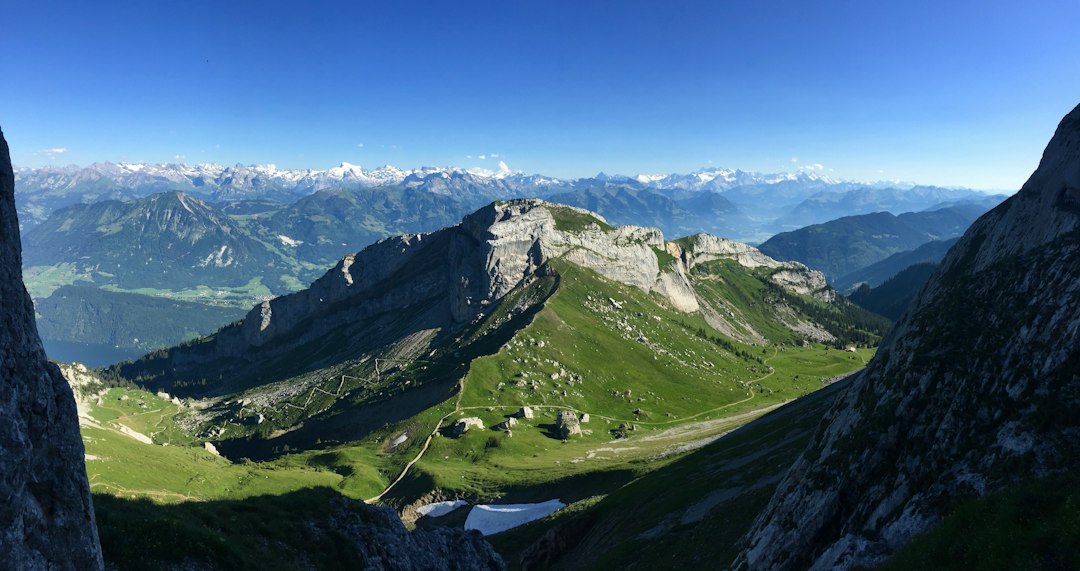
Best Bucket List Alpine Treks in the European Alps with Hut-to-Hut Accommodation
Hut-to-hut hiking in the European Alps offers an unparalleled way to immerse oneself in some of the world’s most spectacular mountain scenery. This style of trekking, where hikers traverse from one mountain hut (or “Hütte” in German, “Rifugio” in Italian, “Cabane” in French) to another each day, eliminates the need for daily camp setup and packing. Instead, hikers can focus entirely on the journey, the views, and the camaraderie. These huts, often perched in breathtaking locations, provide basic dormitory-style accommodation, hearty meals, and a unique social atmosphere. They are strategically located along established trails, ensuring a continuous and well-supported trekking experience. The infrastructure of these huts, ranging from simple shelters to more established refuges with running water and even Wi-Fi in some cases, varies significantly, but all share the common purpose of providing a safe haven for trekkers.
The appeal of hut-to-hut trekking lies in its blend of wilderness immersion and comfortable logistics. Unlike backpacking where one carries all necessary camping gear, hut-to-hut hiking significantly reduces pack weight. This allows hikers to tackle more challenging routes and higher altitudes with greater ease. Evenings are spent sharing stories with fellow trekkers from around the globe, enjoying local cuisine, and resting up for the next day’s adventure. The system is deeply ingrained in the Alpine culture, with a rich history supporting mountaineering and trekking for over a century. Planning is essential, as popular huts, especially those on iconic routes, can book up months in advance, particularly during the peak summer season. Understanding the booking process, typical hut facilities, and meal options is crucial for a successful and enjoyable trip.
Iconic Hut-to-Hut Treks in the European Alps
1. Tour du Mont Blanc: The Quintessential Alpine Circuit
Tour du Mont Blanc
⚖️ Approx. Distance: 170 km (105 mi)
🔋 Approx. Duration: 7-11 days
👍 Pros
- Spectacular, ever-present views of Mont Blanc.
- Crosses three distinct countries, offering cultural variety.
- Well-established infrastructure with numerous huts.
- Can be done clockwise or counter-clockwise.
- Option for variations and shorter sections.
👎 Cons
- Can be very crowded, especially in July and August.
- Some sections involve steep ascents and descents.
- Hut bookings essential far in advance.
- Weather can change rapidly.
The Tour du Mont Blanc (TMB) is arguably the most famous long-distance trek in the Alps, circumnavigating the Mont Blanc massif. It passes through diverse landscapes, from lush valleys to high mountain passes, offering iconic vistas of glaciers, snow-capped peaks, and charming alpine villages. The route is generally well-marked, and a network of huts provides regular accommodation. While often considered challenging due to its length and elevation changes, it is accessible to fit hikers with prior trekking experience. Variations exist to modify difficulty and duration.
The TMB is the archetypal Alpine hut-to-hut experience. Its popularity is well-deserved, given the continuous, jaw-dropping scenery. Hikers are treated to a constant panorama of Europe’s highest peak, Mont Blanc, along with its surrounding glaciers and dramatic rock faces. The trek’s journey through France, Italy, and Switzerland adds a unique cultural dimension, with distinct culinary influences and traditions encountered daily. Accommodation ranges from large, bustling huts to smaller, more intimate refuges, all offering meals and a place to rest. The trail itself involves significant daily elevation gains and losses, requiring a good level of cardiovascular fitness and sturdy hiking boots. Despite its demanding nature, the TMB is feasible for most reasonably fit individuals, particularly when broken down into manageable daily stages, and the reward is an unforgettable immersion in the heart of the Alps.

2. Alta Via 1: The Grand Traverse of the Dolomites
Alta Via 1
⚖️ Approx. Distance: 120 km (75 mi)
🔋 Approx. Duration: 8-12 days
👍 Pros
- Stunning and unique Dolomite rock formations.
- Relatively well-marked and maintained trails.
- Excellent rifugio system providing food and lodging.
- Option for via ferrata side trips for the adventurous.
- Accessible to a wide range of hikers with varying fitness levels.
👎 Cons
- Can be crowded during peak season.
- Some sections require exposure to heights.
- Hut availability can be an issue, booking is crucial.
- Weather can be unpredictable, especially thunderstorms.
The Alta Via 1 (AV1) is a classic long-distance trek through the Italian Dolomites, renowned for its dramatic, jagged peaks and unique geological formations. It traverses a significant portion of this UNESCO World Heritage site, offering a variety of terrain from high alpine passes to scenic valleys. The route is known for its extensive network of “rifugi” (mountain huts), which are generally well-equipped and offer substantial meals. The trail is generally considered moderate to challenging, with some exposed sections and steep ascents. It is suitable for hikers with good fitness and a head for heights, and many sections can be adapted for different skill levels. Booking huts well in advance is standard practice for this popular route.
The Alta Via 1 offers a journey through a landscape unlike any other in the Alps. The Dolomites, with their pale, towering limestone spires and sheer vertical cliffs, create a dramatic and awe-inspiring backdrop. This trek is a fantastic choice for those seeking both incredible natural beauty and a well-supported trekking infrastructure. The rifugi system is particularly impressive, providing not just shelter but also delicious, hearty meals that are a welcome reward after a day on the trail. While the primary AV1 route is achievable for fit hikers, the Dolomites also offer numerous opportunities for more adventurous scrambles and via ferrata routes, allowing experienced trekkers to add an extra layer of challenge and exhilaration. The trail’s popularity means it can be busy, but the sheer scale of the landscape often absorbs the crowds, and the rewards—unforgettable views and a deep connection with this unique mountain environment—are immense.
3. Walker’s Haute Route: Chamonix to Zermatt Challenge
Walker’s Haute Route
⚖️ Approx. Distance: 180 km (112 mi)
🔋 Approx. Duration: 10-14 days
👍 Pros
- Links two of the Alps’ most iconic mountain towns: Chamonix and Zermatt.
- Passes through diverse Alpine landscapes and valleys.
- Incredible views of the Matterhorn and Mont Blanc massif.
- Challenging terrain for experienced trekkers.
- Excellent Swiss and French hut systems.
👎 Cons
- One of the most demanding treks in the Alps.
- Requires significant fitness, stamina, and navigation skills.
- Can be technically demanding in sections.
- High altitudes and potential for snow even in summer.
- Very popular, requiring advance booking.
The Walker’s Haute Route is a classic trek connecting Chamonix, France, to Zermatt, Switzerland, offering a spectacular journey through the high Alps. It is known for its demanding nature, featuring high mountain passes, significant elevation changes, and potentially challenging terrain. The route provides unparalleled views of iconic peaks, including Mont Blanc and the Matterhorn. While the full route is strenuous, variations exist, and transport options can be used to shorten or bypass difficult sections. The network of mountain huts and gîtes along the way provides essential accommodation and sustenance. This trek is best suited for experienced hikers with excellent physical condition and acclimatization.
For those seeking a true test of endurance amidst some of the Alps’ most breathtaking scenery, the Walker’s Haute Route is an exceptional choice. This trek is not for the faint of heart; it demands a high level of fitness, resilience, and a solid understanding of mountain travel. The payoff, however, is immense. Traversing from the shadow of Mont Blanc to the iconic Matterhorn is a journey through diverse and stunning Alpine environments. Each day presents new challenges and vistas, from rugged passes to serene glacial valleys. The well-developed hut system in both France and Switzerland ensures that hikers have comfortable places to rest and refuel, though booking is absolutely essential due to the route’s popularity. Navigation can sometimes be tricky, especially in poor visibility, making reliable map-reading skills or GPS navigation a key requirement for a safe and successful trek.
4. Stubai High Trail: Austrian Glacier and Ridge Adventure
Stubai High Trail
⚖️ Approx. Distance: 120 km (75 mi)
🔋 Approx. Duration: 7-8 days
👍 Pros
- Spectacular high-alpine scenery in the Stubai Alps.
- Features glaciers, dramatic ridges, and panoramic views.
- Well-maintained huts with good facilities and food.
- Less crowded than some other iconic European treks.
- Good accessibility via public transport.
👎 Cons
- Challenging terrain with significant elevation changes.
- Requires good fitness and sure-footedness.
- Potential for snow and ice on higher sections.
- Hut bookings are necessary during peak season.
The Stubai High Trail (Stubaier Höhenweg) is a renowned long-distance path in the Austrian Alps, located in the heart of the Stubai Alps. This trek showcases a dramatic high-alpine environment, characterized by glaciers, rugged peaks, and expansive ridgelines. The trail is known for its challenging nature, involving steep ascents and descents, often on rocky or scree-covered paths. A well-developed network of mountain huts provides accommodation and meals. While it demands a good level of fitness and acclimatization, it offers a more tranquil experience compared to some of the more heavily trafficked routes, while still delivering world-class Alpine scenery. Access is typically via Innsbruck.
The Stubai High Trail provides an authentic and exhilarating high-alpine experience in Austria’s Stubai Alps. This trek is a testament to the raw beauty of glacial landscapes, with trails often traversing beneath towering peaks and alongside ancient ice flows. Hikers can expect a demanding but incredibly rewarding journey, characterized by sharp ridges, panoramic vistas, and the crisp mountain air. The huts along the route are typically well-equipped, offering hearty Austrian fare and comfortable lodgings, though advance booking is advised. This trail is particularly appealing for those who appreciate dramatic mountain scenery and are comfortable with sustained effort on challenging terrain. Its reputation for being slightly less crowded than some of its more famous counterparts makes it an attractive option for trekkers seeking a more serene, yet equally spectacular, Alpine adventure.
5. Palaronda Trek: Dolomites Limestone Loop
Palaronda Trek
⚖️ Approx. Distance: 60 km (37 mi)
🔋 Approx. Duration: 4-5 days
👍 Pros
- Shorter duration, suitable for time-constrained hikers.
- Focuses on the striking limestone formations of the Dolomites.
- Well-connected network of rifugi.
- Moderate difficulty, accessible to many hikers.
- Offers stunning panoramic views.
👎 Cons
- Can still be busy during peak season.
- Requires booking huts in advance.
- Some exposed sections, though generally manageable.
The Palaronda Trek is a loop trek in the Dolomites region of Italy, offering a more compact but equally stunning experience of the unique limestone peaks. It typically takes around 4-5 days to complete, making it an excellent option for those with limited time. The trek connects several mountain huts (rifugi) and showcases the dramatic geology and breathtaking vistas characteristic of the Dolomites. While not as long or technically demanding as some of the larger traverses, it still requires a good level of fitness and offers exposed sections, necessitating sure-footedness. It is a popular route, so booking accommodation in the rifugi well in advance is recommended.
For a concentrated dose of Dolomite grandeur, the Palaronda Trek is a superb choice. This loop is perfectly suited for hikers who want to experience the iconic jagged peaks and sheer limestone walls of this famed mountain range but have less time available. The trek typically involves moderate daily stages, linking a series of well-appointed rifugi that offer warm hospitality and delicious regional food. The scenery is consistently spectacular, with panoramic views unfolding at every turn. While the overall distance is less than some of the major Alpine traverses, the Palaronda Trek still presents a satisfying challenge, with some exposed sections that add to the adventure. It’s a fantastic way to sample the magic of the Dolomites, offering a memorable hut-to-hut experience that is both accessible and visually stunning.

Exploring Other Top Bucket List Alpine Treks with Hut Accommodation
6. Venediger Trail: Concentrated Austrian Alpine Experience
Venediger Trail
⚖️ Approx. Distance: 80 km (50 mi)
🔋 Approx. Duration: 7-8 days
👍 Pros
- Immersive experience in Austria’s Hohe Tauern National Park.
- Access to stunning glacial landscapes and high peaks.
- Well-maintained huts offering traditional hospitality.
- Less crowded than some other European high trails.
- Suitable for experienced hikers seeking a challenge.
👎 Cons
- Requires good fitness and mountain experience.
- Can involve glacier crossings and exposed sections.
- Weather can be highly variable.
- Hut bookings are essential.
The Venediger Trail is a classic high-alpine trek in Austria, traversing the heart of the Hohe Tauern National Park and offering access to numerous peaks over 3,000 meters, including the Großvenediger. This route is known for its rugged beauty, glaciers, and the challenging terrain. It connects a series of well-established mountain huts, providing a supported hut-to-hut experience. The trail demands significant physical fitness, sure-footedness, and experience with alpine conditions, including potential snow and ice. It’s a route for those who want a deep dive into the Austrian high mountains, away from the busiest trails, offering a genuine sense of wilderness.
For a truly authentic Austrian high-alpine adventure, the Venediger Trail stands out. This trek immerses hikers in the dramatic landscapes of the Hohe Tauern National Park, an area renowned for its glaciers and towering peaks. The route is demanding, requiring a good level of fitness and experience with mountain terrain, including potentially navigating snowfields and exposed ridges. The network of traditional mountain huts along the trail provides a warm refuge and sustenance, embodying Austrian hospitality. It offers a more secluded experience compared to some of the more heavily trafficked European circuits, allowing for a profound connection with the wild mountain environment. Successful completion of the Venediger Trail is a significant achievement, rewarding trekkers with unforgettable views and a deep sense of accomplishment.
7. Julian Alps & Slovene Mountain Trail: Wilder European Trekking
Slovene Mountain Trail
⚖️ Approx. Distance: 460 km (285 mi)
🔋 Approx. Duration: 20-25 days
👍 Pros
- Comprehensive traverse of the Slovenian Julian Alps.
- Offers diverse scenery from alpine meadows to rugged peaks.
- Less crowded than many Western Alpine routes.
- Features a well-developed network of mountain huts.
- Excellent value for money.
👎 Cons
- Very long and demanding, requiring high fitness and stamina.
- Some sections can be technically challenging.
- Weather can change rapidly.
- Requires careful planning and booking of huts.
The Slovene Mountain Trail (Slovenska planinska pot) is a long-distance path that spans the length of the Julian Alps in Slovenia, offering a comprehensive exploration of this stunning mountain range. It connects numerous mountain huts and shelters, providing a complete hut-to-hut experience. The trail is known for its diverse landscapes, ranging from gentler alpine pastures to dramatic, rocky peaks. It is considered challenging due to its length and varied terrain, requiring significant endurance and solid hiking skills. Compared to its more famous Western European counterparts, the Slovene Mountain Trail often offers a more remote and less crowded trekking experience, making it an attractive option for those seeking wilder beauty.
Slovenia’s Julian Alps offer a rugged and enchanting trekking experience, and the Slovene Mountain Trail is the ultimate way to explore them. This extensive route showcases the raw, untamed beauty of the region, with dramatic limestone peaks, crystal-clear lakes, and verdant valleys. While its considerable length demands a high level of commitment and fitness, the trail is well-supported by a network of charming mountain huts, ensuring comfortable overnight stays and hearty meals. The relative lack of crowds compared to other major Alpine treks allows for a more intimate connection with the natural surroundings. For trekkers seeking an adventure that combines spectacular scenery with a sense of wildness, the Slovene Mountain Trail is an exceptional, albeit demanding, bucket-list journey.
8. Four Source Trail: Swiss Alps Watershed Journey
Four Source Trail
⚖️ Approx. Distance: 65 km (40 mi)
🔋 Approx. Duration: 4-5 days
👍 Pros
- Unique concept: tracing the headwaters of four major rivers.
- Stunning Swiss Alpine scenery, including glaciers and lakes.
- Well-maintained trails and excellent hut system.
- Moderate difficulty, accessible to fit hikers.
- Less crowded than iconic routes like the Tour du Mont Blanc.
👎 Cons
- Requires booking huts in advance.
- Weather can be unpredictable.
- Some steep ascents and descents.
The Four Source Trail (Vier-Quellen-Weg) is a distinctive trek in the Swiss Alps that symbolically follows the headwaters of four major European rivers: the Rhine, Rhone, Reuss, and Ticino. This moderately challenging route typically takes 4-5 days and traverses beautiful high-alpine landscapes, including glaciers, pristine lakes, and rugged peaks. The trail is well-marked and supported by a network of Swiss Alpine Club huts, offering reliable accommodation and food. It provides a unique perspective on the Alpine watershed and is a good option for those seeking impressive Swiss scenery without the extreme demands of some other high-altitude treks. Booking huts is essential.
The Four Source Trail offers a unique and scenic journey through the Swiss Alps, focusing on the origins of four significant European rivers. This trek combines impressive Alpine vistas with an intriguing geographical concept, making it a memorable hut-to-hut adventure. The trails are impeccably maintained, a hallmark of Swiss trail infrastructure, and the mountain huts provide characteristic Swiss hospitality and sustenance. While it presents moderate challenges with some steep climbs and descents, it is generally accessible to hikers with good fitness. The relative tranquility of the trail, compared to more famous routes, allows for a more immersive experience of the stunning Swiss landscape, including glaciers, alpine meadows, and reflective lakes. It’s an excellent choice for those wanting a taste of the Swiss Alps’ grandeur with a unique thematic focus.
9. Tour des Muverans: Quieter Swiss Hut-to-Hut Exploration
Tour des Muverans
⚖️ Approx. Distance: 70 km (43 mi)
🔋 Approx. Duration: 5-7 days
👍 Pros
- Offers a more tranquil Swiss Alps experience.
- Beautiful alpine scenery with dramatic peaks and valleys.
- Good network of well-maintained huts.
- Moderate to challenging difficulty, suitable for experienced hikers.
- Accessible from popular areas like the Rhone Valley.
👎 Cons
- Requires good fitness and sure-footedness.
- Hut bookings are necessary.
- Weather can be a factor.
The Tour des Muverans is a circular trek in the Swiss Alps, situated west of the Rhone Valley. It is known for offering stunning alpine scenery, including rugged peaks, high pastures, and glacial remnants, but often with fewer crowds than more famous routes. The trek typically takes 5-7 days and involves moderate to challenging terrain with significant elevation changes. A network of Swiss Alpine Club huts and other mountain shelters provides accommodation and meals. It’s an ideal option for hikers seeking a challenging yet less-trafficked hut-to-hut experience in Switzerland, offering a genuine taste of the high Alps.
For those seeking the quintessential Swiss Alps experience without the overwhelming crowds, the Tour des Muverans presents an exceptional opportunity. This circular trek winds through dramatic landscapes, showcasing jagged peaks, expansive glacial valleys, and vibrant alpine meadows. The trail is well-marked and maintained, characteristic of Swiss infrastructure, and connects a series of comfortable mountain huts that serve as perfect resting points. The route demands a good level of fitness and sure-footedness, as it involves considerable ascent and descent, but the rewards are immense: breathtaking panoramas and a profound sense of tranquility. It’s a fantastic choice for experienced trekkers looking for a challenging and rewarding hut-to-hut journey in a slightly more secluded corner of the Alps.
10. Gran Paradiso National Park: Italian Alps Wildlife and Peaks
Gran Paradiso National Park Treks
⚖️ Approx. Distance: Varies (e.g., 70 km / 43 mi for a multi-day loop)
🔋 Approx. Duration: 4-5 days
👍 Pros
- Spectacular scenery in Italy’s oldest national park.
- Excellent opportunities for wildlife viewing (ibex, chamois).
- Access to high-altitude peaks and glaciers.
- Charming Italian rifugi with excellent food.
- Moderate to challenging routes available.
👎 Cons
- Requires good fitness and mountain experience.
- Huts can book up quickly.
- Weather can change rapidly.
- Some routes involve glacier travel.
Gran Paradiso National Park, located in the Graian Alps of Italy, is a premier destination for Alpine trekking and wildlife observation. It is home to Italy’s highest peak entirely within its borders, Gran Paradiso (4,061m). The park offers a network of trails and mountain huts (rifugi) that allow for multi-day hut-to-hut treks. The landscape is characterized by high peaks, glaciers, alpine meadows, and rocky terrain. It is particularly known for its successful conservation of the Alpine ibex, making wildlife sightings common. Treks in Gran Paradiso range from moderate to highly challenging, often requiring glacier equipment and experience for summit attempts.
For an Alpine experience that blends magnificent mountain scenery with exceptional wildlife viewing, Italy’s Gran Paradiso National Park is unparalleled. As the country’s oldest national park, it protects a vast and wild landscape dotted with glaciers, towering peaks, and verdant valleys. Multi-day treks here offer the chance to stay in authentic Italian rifugi, enjoying delicious local cuisine while surrounded by stunning vistas. The park is a sanctuary for wildlife, most notably the Alpine ibex, and sightings are frequent and thrilling. Routes vary in difficulty, catering to a range of abilities, but many involve significant elevation gain and require a good level of fitness. For those seeking the thrill of high-altitude trekking combined with the unique possibility of encountering majestic Alpine fauna, Gran Paradiso is a truly special destination.
Choosing Your Best European Alps Hut-to-Hut Trek
Matching Treks to Fitness and Experience Levels
Selecting the right hut-to-hut trek is paramount for an enjoyable and safe Alpine adventure. The European Alps offer a spectrum of challenges, from relatively gentle valley walks connecting lower-altitude huts to demanding high-altitude traverses involving glaciers and via ferrata sections. For beginners or those with moderate fitness, treks like the Palaronda Trek, parts of the Alta Via 1, or the Four Source Trail might be more suitable. These routes generally involve shorter daily distances, less extreme elevation changes, and fewer technical sections. As fitness and experience grow, more challenging options like the Tour du Mont Blanc, Stubai High Trail, or Walker’s Haute Route become attainable. These routes demand greater stamina, acclimatization, and often, experience with navigating varied and sometimes exposed terrain. Trekkers should honestly assess their physical condition, comfort with heights, and previous hiking experience before committing to a particular trek.
Comparing Trek Durations, Distances, and Daily Challenges
The duration and daily demands of a trek are critical considerations. A 7-10 day trek like the Tour du Mont Blanc covers significant ground and involves substantial daily ascents and descents, typically averaging 1,000-1,500 meters of elevation gain per day. Shorter treks, such as the 4-5 day Palaronda Trek, offer a more condensed experience, with daily distances and elevation gains often being more manageable, perhaps 500-1,000 meters. The Walker’s Haute Route is at the upper end of the difficulty scale, with long days and high passes. It’s essential to look beyond just total distance and consider the elevation profile. A 15km day with 1,200m of climbing on a rugged mountain trail is vastly different from a 15km stroll on a flat path. Researching daily stages, typical hiking times, and key ascents/descents for any chosen trek is crucial for proper preparation and realistic expectations.
What to Expect from Alpine Hut Accommodation
Alpine huts, or “refuges,” vary greatly but generally offer a communal and functional experience. Most provide dormitory-style sleeping quarters with bunk beds; private rooms are rare and usually reserved for families or guides. Sleeping bags are almost always required, though a liner is often sufficient as huts provide blankets or duvets. Meals are typically hearty and communal – usually a set dinner menu (often featuring local specialties like polenta, pasta, or stews) and breakfast. Packed lunches can often be purchased or prepared from supplies bought at the hut. Facilities usually include shared bathrooms and sometimes showers (which may be cold or available for a fee). It’s important to remember that huts are often remote, relying on generators for power and sometimes struggling with water supply, especially later in the season. Embrace the communal spirit; it’s a core part of the hut-to-hut experience.
Booking Strategies: When and How to Secure Your Hut Spots
Booking huts in advance is non-negotiable for most popular Alpine treks, especially during the peak season (mid-June to mid-September). Popular routes like the Tour du Mont Blanc or Alta Via 1 can be fully booked months ahead. The best strategy is to book as early as possible, often as soon as your dates are confirmed. Most huts have websites or can be booked through national alpine club portals (e.g., the Swiss Alpine Club, Italian Alpine Club). Some huts may accept email or phone reservations. Always confirm booking policies, cancellation terms, and meal options when reserving. If your first-choice hut is full, don’t despair; adjacent huts on the route or slight variations in the daily stage might offer alternatives. Flexibility and early planning are key to securing your preferred accommodations.
Essential Gear for Alpine Hut-to-Hut Treks
The Ultimate Hut-to-Hut Gear Checklist
While hut-to-hut trekking significantly reduces the load compared to camping, essential gear is still vital for comfort and safety. A comprehensive list includes: a comfortable and well-fitting backpack (30-45 liters), waterproof and windproof outer layers (jacket and pants), insulating mid-layers (fleece or puffy jacket), base layers (moisture-wicking), sturdy hiking boots (broken-in), trekking poles, a hat and gloves, sunglasses, sunscreen, a headlamp, a basic first-aid kit, navigation tools (map, compass, GPS device/app), water bottles or a hydration reservoir, and personal toiletries. Don’t forget a sleeping bag liner, earplugs for dormitories, and cash (some remote huts may not accept cards).
Lightweight Pack Strategy for Alpine Treks
The goal is to pack smart and light. Focus on multi-functional items and avoid redundancies. Your backpack should be large enough to hold essentials but not so large that you’re tempted to overpack. Opt for lightweight versions of clothing and gear where possible. Layering is key for managing temperature changes, allowing you to adapt to varying conditions without carrying excessive bulk. Think about what you absolutely need versus what would be ‘nice to have’. Each kilogram saved makes a significant difference on long ascents. Many huts offer toiletries, so consider leaving heavy items like full-sized shampoo at home.
Footwear and Clothing for Variable Alpine Conditions
Sturdy, waterproof, and broken-in hiking boots are non-negotiable. They provide essential ankle support and protection on uneven terrain. A good pair of moisture-wicking socks (wool or synthetic) is equally important to prevent blisters. Clothing should be layered: a moisture-wicking base layer, an insulating mid-layer (like a fleece or down jacket), and a waterproof/windproof outer shell. Convertible hiking pants are practical, and bringing a pair of comfortable camp shoes or sandals for the huts is a welcome relief after a long day. Don’t forget sun protection – a wide-brimmed hat and UV-protective sunglasses are crucial, even on cloudy days.
Navigation Tools and Safety Equipment
While most popular routes are well-marked, reliable navigation tools are essential. Carry a detailed topographic map of the area, a compass, and know how to use them. A GPS device or a smartphone with downloaded offline maps and a reliable navigation app can serve as a valuable backup. A headlamp with fresh batteries is critical for early morning starts, late finishes, or unexpected delays. A well-stocked first-aid kit, including blister treatment, pain relievers, and any personal medications, is vital. Consider carrying a personal locator beacon (PLB) or satellite messenger for remote areas with no mobile service. Always inform someone of your planned route and expected return time.
Safety, Etiquette, and Responsible Trekking in the Alps
Mountain Safety: Weather, Route Conditions, and Emergency Preparedness
Alpine weather is notoriously unpredictable and can change rapidly. Always check the forecast before setting out and be prepared for sun, rain, wind, and even snow, regardless of the season. Monitor conditions closely during your trek and be willing to alter plans or turn back if conditions deteriorate. Understand the risks associated with altitude, steep terrain, and potential hazards like rockfall or avalanches (depending on the route and season). Know the emergency contact numbers for the region (e.g., 112 in Europe) and understand how to communicate your location and situation effectively. Staying informed about route conditions, often available at local tourist offices or from hut wardens, is also crucial.
Alpine Hut Etiquette: Respecting Fellow Hikers and Staff
Hut etiquette is essential for a harmonious experience. Keep noise levels down, especially during sleeping hours (typically 10 PM to 6 AM). Use designated sleeping areas and keep your gear organized. Be mindful of shared spaces like bathrooms and dining areas. It’s customary to remove muddy hiking boots before entering common areas and sleeping quarters. Huts are communal spaces, so a friendly and respectful attitude goes a long way. Greet fellow hikers, be patient when ordering food or waiting for facilities, and always follow the instructions of the hut warden. Tipping the hut staff is not always expected but is appreciated for exceptional service.
Leave No Trace Principles for Alpine Environments
Practicing Leave No Trace principles is vital for preserving the pristine beauty of the Alps. This means packing out everything you pack in, including all trash, food scraps, and toilet paper. Stay on marked trails to minimize erosion and protect fragile vegetation. Minimize campfire impacts (campfires are often prohibited in high-alpine areas anyway). Respect wildlife by observing from a distance and never feeding animals. Be considerate of other visitors, and leave the natural and cultural heritage of the mountains unimproved for future visitors. Proper disposal of human waste is crucial; use designated toilets when available, or learn proper techniques for catholes in the backcountry.
Final Recommendations for Your Bucket List Alpine Trek
Embarking on a hut-to-hut trek in the European Alps is a transformative experience, offering a unique blend of physical challenge, stunning natural beauty, and cultural immersion. Whether you’re drawn to the iconic grandeur of Mont Blanc, the unique spires of the Dolomites, or the wilder landscapes of Slovenia, there is a trek to suit every aspiration. Thorough planning, careful gear selection, and a respectful approach to the mountain environment and its communities are key to a successful and unforgettable journey. Choose a trek that aligns with your fitness and experience, book your accommodations well in advance, and prepare to be captivated by the majesty of the Alps. The memories forged on these trails, amidst towering peaks and under starry skies from the comfort of a mountain hut, will undoubtedly last a lifetime.