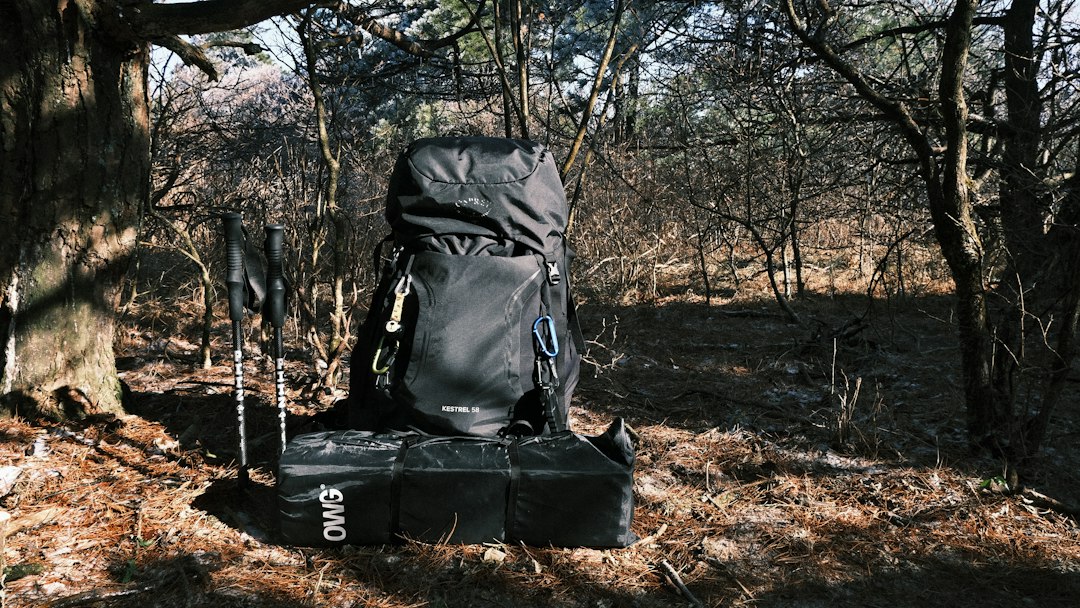
Understanding the Core Differences: Frame vs. Frameless
The fundamental divergence between internal frame and frameless ultralight backpacks lies in their structural approach to carrying loads. This core difference dictates how weight is managed, how the pack interacts with the body, and ultimately, the type of outdoor pursuits each design excels at. While both aim for reduced weight, their methods and resulting performance characteristics are distinctly opposed, catering to different hiker philosophies and load requirements.

Internal Frame Backpacks: The Load Transfer Specialists
Internal frame backpacks incorporate a rigid or semi-rigid structure, typically an aluminum or composite frame sheet and stays, built directly into the pack. This integrated system is engineered to transfer the weight of the pack’s contents away from the shoulder straps and directly down to the hip belt. The frame acts as a sophisticated lever, distributing the load effectively across the wearer’s hips and core, which are far more capable of bearing substantial weight than the shoulders alone. This design philosophy prioritizes efficient load-bearing, making them suitable for carrying heavier gear for extended durations.
Frameless Backpacks: The Minimalist Speed Demons
In stark contrast, frameless backpacks eschew any external or internal load-bearing structure. Their design is minimalist, relying solely on the user’s ability to pack efficiently and the pack’s inherent shape (often achieved through stiffened materials or careful stuffing) to provide some semblance of structure. The load is primarily borne by the shoulder straps, with minimal, if any, direct transfer to the hips. This approach drastically reduces pack weight but comes at the cost of significant load-carrying capacity. They are optimized for speed, agility, and carrying only the absolute essentials.
Load Transfer Capabilities: When Heavy Hauls Demand Support
The ability to effectively transfer the pack’s weight to the body’s strongest load-bearing points is a critical differentiator. For hikers carrying substantial gear, food, or expedition-level equipment, this capability becomes paramount for comfort and injury prevention over long distances.

Internal Frame Backpacks: Engineered for Weight Distribution
The defining feature of internal frame packs is their advanced load transfer system. The frame, often conforming to the wearer’s back, works in conjunction with a robust hip belt and sternum strap. As the pack is cinched down, the frame pulls the load close to the body’s center of gravity, while the hip belt cradles the hips, allowing the legs and core to bear the majority of the weight. This system is highly effective for loads exceeding 30 pounds (approximately 13.6 kg), significantly reducing fatigue and strain on the shoulders and upper back. The pack feels more like an extension of the body rather than a dead weight being hauled.
Frameless Backpacks: The Challenges of Heavy Loads
Carrying significant weight in a frameless pack is an exercise in compromise. Without a dedicated frame, the load is pressed directly against the wearer’s back, and the weight is primarily shouldered. While some frameless packs can be “structured” by carefully packing rigid items against the back panel, they simply cannot replicate the efficient weight distribution of an internal frame. Loads exceeding 20-25 pounds (approximately 9-11.3 kg) can quickly become uncomfortable, leading to excessive strain on the shoulders, neck, and lower back. The pack can also feel “floppy” and unstable, shifting with movement and creating an awkward carrying experience.
| Feature | Internal Frame Backpacks | Frameless Backpacks |
|---|---|---|
| Max Recommended Load Capacity | 30-50+ lbs (13.6-22.7+ kg) | 15-25 lbs (6.8-11.3 kg) |
| Primary Load Bearing Points | Hips and Core (via frame and hip belt) | Shoulders (via shoulder straps) |
| Weight Distribution Efficiency | Excellent; direct transfer to hips | Poor to Fair; load presses on back and shoulders |
| Comfort with Heavy Loads | High; designed for sustained heavy carry | Low; becomes uncomfortable quickly |
| Pack Stability with Load | High; load is stabilized by frame | Variable; dependent on packing technique, can be unstable |
Speed and Agility: Minimalist Design for Fast Excursions
For activities where speed is a primary objective, such as fastpacking, trail running, or day hikes demanding quick movement, the design that allows for unrestricted motion and minimal bulk takes precedence. The absence of rigid structures can be a significant advantage in these scenarios.

Frameless Backpacks: Unrestricted Movement and Rapidity
The minimalist nature of frameless packs translates directly into superior agility. With no frame to restrict natural movement, hikers can move more freely, whether scrambling over rocks, navigating technical terrain, or simply maintaining a brisk pace. The pack’s lighter weight and lower profile also contribute to reduced fatigue over distance, allowing for faster overall travel. This design is particularly well-suited for activities where the pack is secondary to the movement itself, such as ultra-marathon running or speed-focused multi-day trips where every ounce counts and agility is key.
Internal Frame Backpacks: Agility Considerations
While internal frame packs offer excellent load support, their inherent structure can sometimes limit a hiker’s agility compared to their frameless counterparts. The frame, by its nature, creates a more fixed volume and can feel slightly more cumbersome when performing dynamic movements or navigating tight spaces. However, modern internal frame designs have become increasingly streamlined, with flexible frames and body-hugging harnesses that significantly improve their on-trail feel and allow for a good degree of natural motion. For most general backpacking scenarios, their agility is more than adequate.
Durability and Longevity: Construction and Material Trade-offs
The materials and construction methods employed in each pack type directly influence their resilience and lifespan. Ultralight often implies a trade-off with durability, but the nature of that trade-off differs between frame and frameless designs.
Internal Frame Backpacks: Robustness and Longevity
Internal frame packs typically utilize more robust materials and construction techniques to support the integrated frame and handle heavier loads. This often includes thicker denier fabrics in high-wear areas, reinforced stitching, and a more complex harness system. While heavier overall than frameless packs, this construction often leads to greater durability and a longer service life, especially under demanding conditions. The frame itself, if cared for, can contribute to the pack’s structural integrity over many years, preventing premature sagging or deformation.
Frameless Backpacks: Lightweight Materials and Wear
The pursuit of minimal weight in frameless packs often leads to the use of thinner, lighter fabrics such as Dyneema Composite Fabric (DCF) or lightweight nylons and polyesters. While these materials can be surprisingly strong for their weight, they are generally more susceptible to abrasion, punctures, and wear and tear from rough terrain or improper handling. The lack of a protective frame means the pack’s fabric bears the brunt of external forces. Longevity in frameless packs often depends heavily on the user’s meticulous packing habits, careful handling, and the specific durability of the chosen ultralight material.
Comfort and Fit: Customization vs. Simplicity
Comfort on the trail is subjective and heavily influenced by how a pack fits and conforms to the individual wearer. Both internal frame and frameless designs offer different paths to achieving comfort.
Internal Frame Backpacks: Adjustable Systems for Personalized Fit
Internal frame packs excel in their ability to be highly customized for an individual’s torso length and body shape. Features like adjustable torso lengths, load lifter straps, contoured shoulder straps, and adjustable hip belts allow users to fine-tune the fit for optimal weight distribution and comfort. This adjustability is crucial for distributing heavy loads effectively and preventing pressure points. A well-fitted internal frame pack can feel significantly more comfortable over multi-day trips with heavy gear than any frameless alternative.
Frameless Backpacks: Adaptive Comfort for Lean Loads
Comfort in frameless packs is achieved through simplicity and adaptability, but it is directly tied to carrying light loads. The pack’s fabric and suspension system are designed to be lightweight and flexible, conforming to the body’s natural shape. While this offers a close-to-body feel, the comfort is only truly realized when the pack is not heavily loaded. Without a substantial load, the lightweight materials and minimalist harness can be very comfortable, providing a sensation of unburdened movement. However, this comfort diminishes rapidly as the weight increases.
Key Features and Design Philosophies
Beyond the presence or absence of a frame, the design philosophies manifest in a variety of features that cater to their intended use cases.
Internal Frame Backpacks: Frame Structure, Harness Systems, and Pockets
Internal frame packs typically feature a more complex structure, including internal frames (sheet, stays, or hybrid systems), advanced suspension systems with padded shoulder straps and hip belts, load lifters, and often a variety of external and internal pockets for organization. Compression straps are common for cinching loads and improving stability. Water bottle pockets, hip belt pockets, and lid pockets are standard for accessible storage. The design emphasizes support, organization, and the ability to carry a wide range of gear comfortably.
Frameless Backpacks: Roll-top Closures, Simple Straps, and Packability
Frameless packs are characterized by their simplicity. Common features include roll-top closures for adjustable volume and weather resistance, minimalist shoulder straps (often webbing or lightly padded), and sometimes a sternum strap. Pockets are usually limited to external mesh pockets for water bottles or quick-access items. The focus is on reducing weight and bulk, with an emphasis on packability and a clean, uncluttered design. They are built for efficiency and minimalism.
Who Should Choose Which: Matching Backpacks to Your Backpacking Style
The choice between an internal frame and a frameless pack ultimately hinges on the individual hiker’s priorities, typical load weights, and intended activities.
The Case for Internal Frame Backpacks: Long Trips, Heavier Gear, and Uncompromised Support
Internal frame backpacks are the logical choice for thru-hikers, long-distance backpackers, and anyone who regularly carries heavier loads (30 lbs / 13.6 kg or more). They provide superior comfort and support for multi-day or multi-week trips where food, shelter, and clothing weigh significantly. Expeditions, winter camping, or trips requiring bulky gear also strongly favor the load-carrying capabilities of internal frame packs. If comfort with substantial weight is your priority, an internal frame is the way to go.
The Case for Frameless Backpacks: Thru-Hiking, Fastpacking, and Ultralight Purists
Frameless backpacks are the domain of the dedicated ultralight hiker, fastpacker, and minimalist. They are ideal for those who have meticulously dialed in their gear list to weigh 15-20 lbs (6.8-9 kg) or less, including consumables. Their appeal lies in their feather-light weight, simple design, and unrestricted movement. Thru-hiking where every ounce matters, short backpacking trips with minimalist gear, or trail running with a pack are prime use cases. They reward those who embrace extreme lightweight principles.
Real-World Performance: Scenarios and Use Cases
Understanding how each pack type performs in typical backcountry scenarios provides practical guidance for selection.
Internal Frame Backpacks in Action: Trekking and Expeditions
On extended trekking routes like the Appalachian Trail or Pacific Crest Trail, or during mountaineering expeditions, internal frame packs shine. They excel on long, sustained climbs where efficient weight transfer prevents premature exhaustion. Their robust nature handles the wear and tear of continuous use and varied terrain. When covering significant mileage with a full load of food and supplies, the comfort and stability offered by an internal frame pack are invaluable. They are the workhorses for traditional backpacking.
Frameless Backpacks in Action: Day Hikes and Ultralight Overnights
For a demanding day hike where you need to carry extra layers, water, and emergency gear, a frameless pack offers a streamlined, unobtrusive carry. They are also perfect for ultralight overnight trips where gear weight is strictly controlled. Their lack of bulk makes them easy to maneuver through dense brush or technical sections. The feeling of carrying almost no weight allows for faster hiking and a more enjoyable experience for those who have mastered minimalist packing. They are also favored by trail runners who need to carry essentials.
Expert Insights and Considerations for the Modern Hiker
Beyond the core design, several practical considerations can further inform a hiker’s decision and optimize their experience with either pack type.
Packing Strategies for Each Backpack Type
Packing an internal frame pack efficiently involves utilizing the frame to keep heavier items close to your back and centered. Lighter, bulkier items can go lower and further out. Using compression straps is key to stabilizing the load. For frameless packs, the packing strategy is crucial for achieving any semblance of structure and comfort. Heavier, denser items should be placed directly against the back, ideally in a stuff sack that can be compressed. Rolling the pack’s opening tightly is essential for both volume adjustment and weather protection. Avoid placing sharp objects directly against the lightweight fabric.
Maintenance and Care for Optimal Performance
Both types of packs benefit from regular care. For internal frame packs, ensure the frame stays are not bent and that all buckles and zippers are clean and functional. Periodically wipe down the harness and hip belt. Frameless packs require more delicate handling. It’s important to avoid dragging them on abrasive surfaces and to clean any accumulated dirt with a damp cloth. For packs made of DCF, specific repair tapes are available for patching small tears. Both should be stored in a cool, dry place when not in use to prolong their lifespan.
Internal Frame Backpacks
Pros:
- Excellent load transfer for heavy loads (30-50+ lbs).
- Superior comfort on long trips with substantial gear.
- Stable carrying experience, even on uneven terrain.
- Durable construction, generally longer lifespan.
- Highly adjustable for a personalized fit.
Cons:
- Heavier base weight than frameless packs.
- Can feel less agile or more cumbersome on technical terrain.
- More complex design with more potential failure points.
Frameless Backpacks
Pros:
- Extremely lightweight base weight.
- Exceptional agility and unrestricted movement.
- Simple design, fewer components.
- Excellent packability and compressibility.
Cons:
👑 Ultimate Winner: Internal Frame Backpacks
For the vast majority of backpackers, the Internal Frame Backpack emerges as the more versatile and comfortable option. Its superior load-carrying capability, excellent weight distribution, and customizable fit make it indispensable for extended trips, heavier gear requirements, and general backpacking comfort. While frameless packs hold a distinct advantage for a niche group of ultralight enthusiasts and fastpackers, the internal frame design offers a more forgiving and supportive experience for a broader range of users and trip types. The trade-off in base weight is significantly outweighed by the gains in comfort and load management for anyone carrying more than 20-25 pounds.