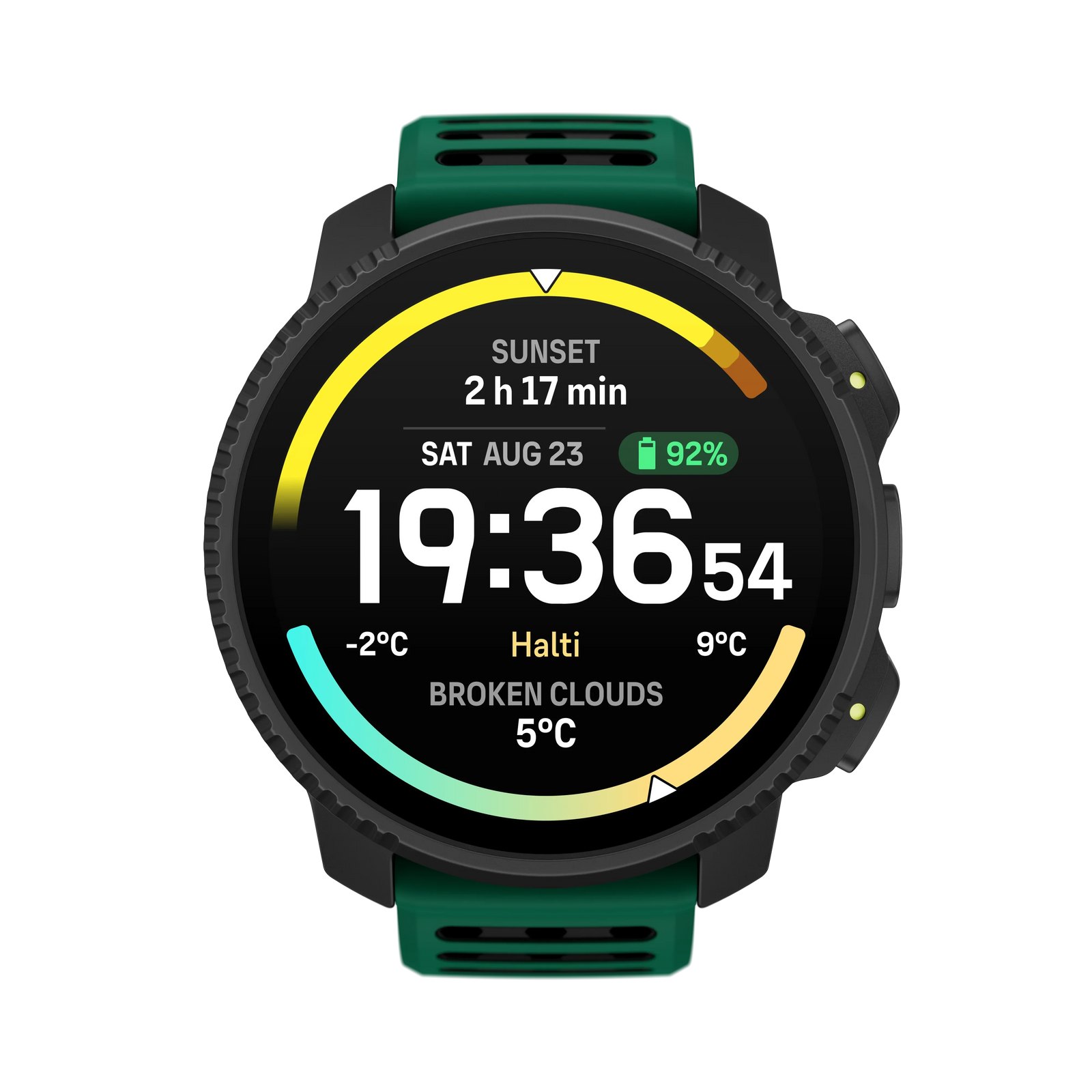
Outdoor Story Lab gear guide
Which Suunto GPS Watch Fits Your Next Adventure?
Suunto’s sports watches serve different routines. The best match depends on whether you need remote navigation, race-focused training, or a lighter everyday running watch.
When comparing Suunto GPS watches, it is easy to get distracted by screen type, case color, or a long list of sport modes. Start instead with the trip you actually take. A weekend in remote terrain creates different demands from a structured road-running plan, and a light daily watch does not need the same hardware as an expedition-oriented model.
The official US lineup positions the Suunto Vertical 2 around outdoor navigation, the Suunto Race 2 around performance training and racing, and the Suunto Run 2 around lighter running. Use the official Suunto watch range to verify current colors, configurations, stock, pricing, and US availability before ordering.
Start with the outdoor time you actually plan
The most important choice is not the brand name; it is how much information and independence you want from a watch away from your phone. If you hike unfamiliar terrain, follow planned routes, or spend long days outside, navigation and battery behavior deserve more attention than a decorative watch face.
For trail runners, the decision shifts toward screen readability, training tools, pace and distance, route guidance, and comfort during repeated sessions. For everyday runners, a lighter case and simple workout controls may matter more than expedition features you rarely use.
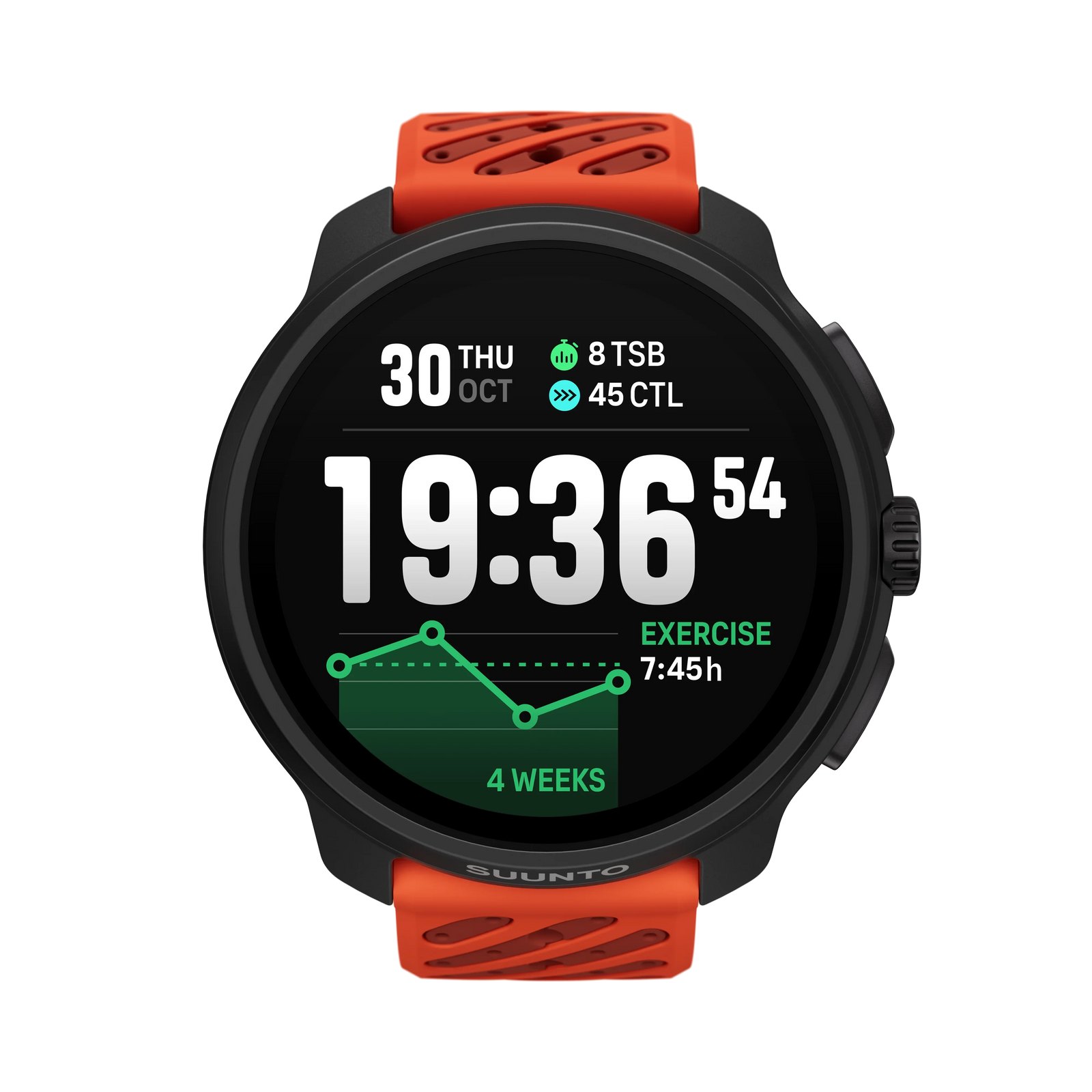
The Race 2 is positioned for performance training and racing, where route guidance and readable workout data matter.
Suunto Vertical 2: for long days and navigation
The Vertical 2 is the natural starting point for hiking, mountain routes, trail running, or multi-day outdoor plans. Suunto describes this line around detailed navigation, offline maps, extended battery capability, and outdoor durability. The US product information lists a bright AMOLED display, up to 65 hours of GPS use in its stated configuration, 100-meter water resistance, 32GB of offline-map storage, and a built-in LED flashlight.
Those features can be useful when a route takes longer than expected, a junction is poorly marked, or your phone is packed away. A watch that displays a planned route and useful location context can reduce the need to stop and pull out a phone repeatedly.
There are trade-offs: a larger, more capable outdoor watch may feel excessive for short neighborhood runs, and the advertised battery figure depends on GPS mode, screen behavior, sensors, temperature, and interaction. Check the exact configuration and support information. See the current Suunto Vertical 2 details before making a navigation-focused purchase.
Suunto Race 2: for structured workouts and race day
The Race 2 makes more sense when your watch is part of a deliberate training process. Suunto positions it for racing and training, with route planning, dual-band GPS, free offline maps, and Climb Guidance. That combination can help trail athletes review a route, understand elevation changes, and keep their attention on the effort instead of constant phone checks.
For a runner preparing for a hilly event, climb guidance may be more useful than a long list of generic activity modes. Navigation can help you stay oriented on unfamiliar sections. The AMOLED display is relevant if you prefer a high-contrast interface, though screen brightness and interaction affect battery use.
Who should look at the Race 2 first?
If you train with purpose, use routes for trail or road sessions, and want workout data close at hand, compare the Race 2. It is less compelling if you only need basic step counting and occasional GPS walks.
Suunto Run 2: a lighter daily-running option
The Run 2 is aimed at runners who want a watch that stays comfortable through daily wear as well as workouts. Suunto lists a 36-gram weight, dual-band GPS for pace and distance, up to 12 days of battery in its stated everyday-use context, and up to 20 hours in training. Its highlighted tools include interval workouts, Ghost Runner, AMOLED viewing, recovery, sleep, and training-load tracking.
That makes it a practical place to start for someone building a consistent running routine. A lighter design can be appealing if you do not want a substantial outdoor instrument on your wrist, while run-specific tools offer more than basic route recording.
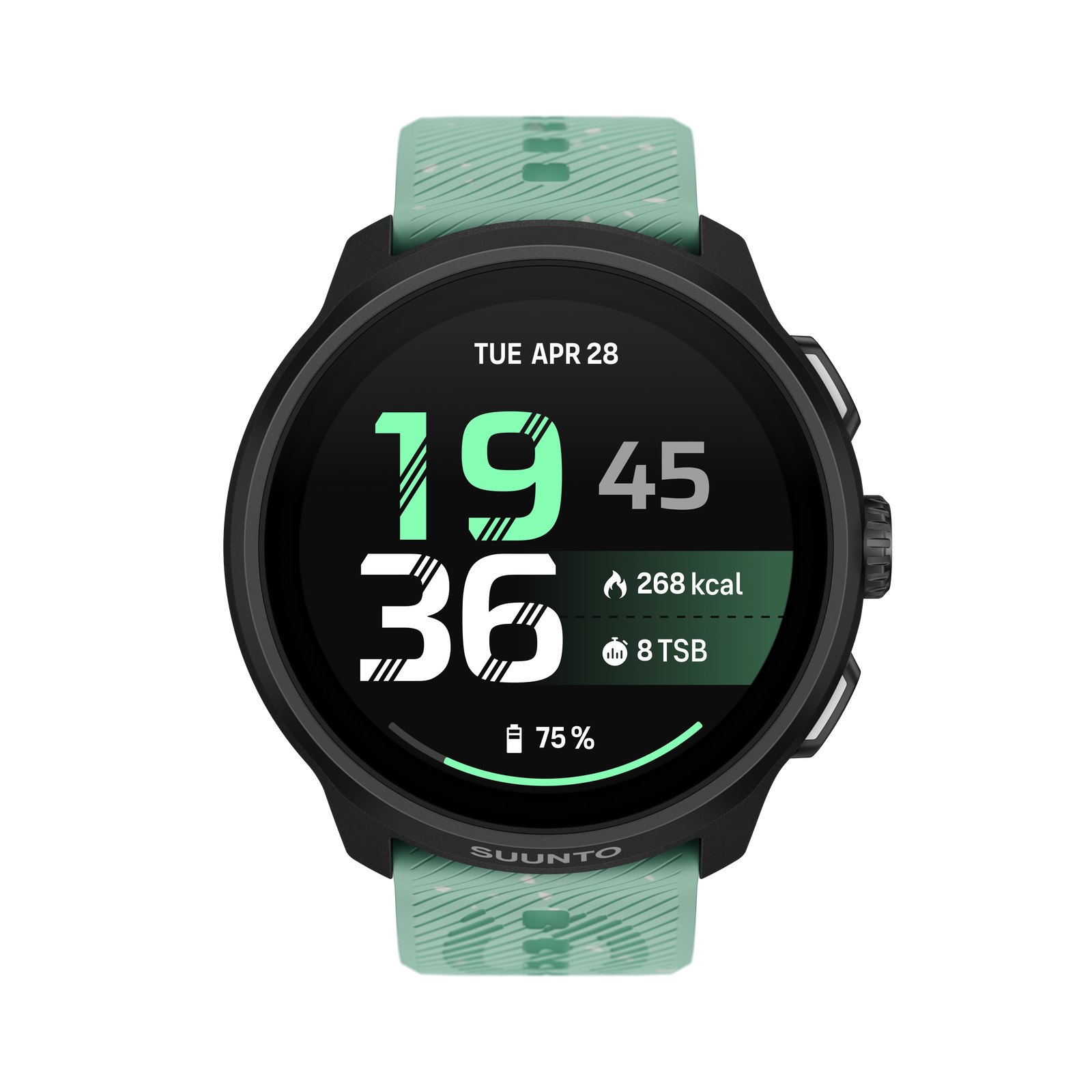
The Run 2 focuses on a lighter running experience with GPS, intervals, recovery, and everyday tracking.
“Lighter” does not mean better for every trip. If you need extensive offline maps or expedition navigation, compare it carefully with the Vertical 2 and Race 2. Compare Suunto running watches against the current product pages and support details.
Compare Suunto watches by use case
| Priority | Start with | Why it may fit |
|---|---|---|
| Remote hiking and mountain days | Vertical 2 | Outdoor navigation, offline-map capability, and extended-battery options. |
| Trail racing and structured workouts | Race 2 | Training data, route planning, dual-band GPS, and Climb Guidance. |
| Daily running and lighter wear | Run 2 | Lower weight, running tools, GPS pace/distance, and recovery tracking. |
| Mixed sports and general use | Compare the range | Case size, battery modes, display preference, and mapping vary by model. |
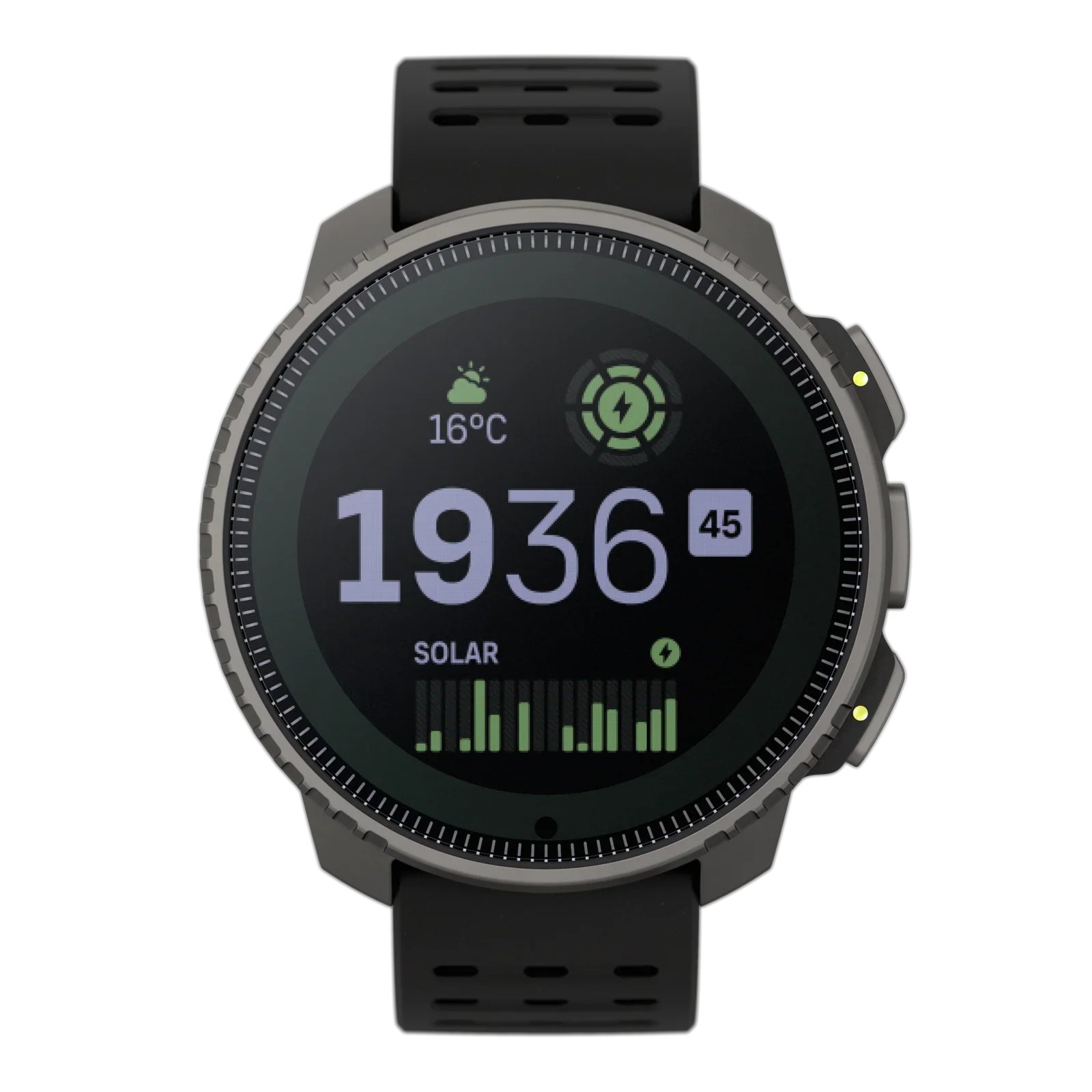
Suunto’s Vertical family emphasizes long outdoor use and navigation; selected configurations add solar charging.
Features to check before ordering
Navigation and maps
“GPS watch” can mean basic route recording or a fuller navigation workflow. If you want to follow planned routes, check how the exact model handles offline maps, route transfer, breadcrumb guidance, elevation information, and points of interest. Confirm that the feature is included on the configuration and in the region shown in the live US store.
Battery in the mode you will use
GPS accuracy, screen brightness, map use, Bluetooth, sensors, temperature, and notifications affect runtime. If long routes are your main reason for buying, compare the GPS modes and charging details instead of relying only on the largest day-count figure.
Comfort and case size
A technically capable watch can still be wrong for your wrist. Compare dimensions, weight, strap, display size, and how the case sits under a jacket cuff or during sleep. For all-day wear, the Run 2’s listed weight may be more relevant than a rarely used expedition feature.
Screen readability
Think about whether you read data in bright sun, under tree cover, at night, or while moving quickly. A screen that looks excellent indoors still needs to work on your route, and display settings are part of the battery trade-off.
Store details
Prices, colors, bundles, stock, shipping, promotions, and return conditions can change. Check the exact variant and delivery information at checkout. Visit the Suunto US store to confirm live terms rather than relying on an old comparison screenshot.
A practical buying process
Set a realistic outing baseline
Use your longest normal route, not an extreme trip you may never take. This sets a sensible target for battery, navigation, and durability.
Decide whether you need maps on your wrist
If you follow unfamiliar routes, prioritize models and configurations supporting the mapping workflow you want. Familiar runs may not need that extra capability.
Choose your training depth
Compare intervals, pace targets, elevation guidance, route planning, and data screens if you are preparing for an event or following a plan.
Check the exact size and configuration
Verify case, strap, display, storage, battery mode, and included accessories on the product page.
Review current US terms
Confirm price, stock, shipping, returns, warranty information, and any promotion before payment.
Pros and considerations
What stands out
- Distinct directions for outdoor navigation, performance training, and daily running.
- Selected models combine route tools, offline-map capability, and dual-band GPS.
- Run-focused options include intervals, recovery, sleep, and training-load tracking.
- The official US store presents current configurations and support information.
What to consider
- Battery life varies with GPS mode, display, sensors, and temperature.
- Mapping and navigation are not identical across every model.
- A larger outdoor watch may be unnecessary for a simple running routine.
- Prices, availability, shipping, and returns can change.
Frequently asked questions
Which Suunto watch is best for hiking?
Start with the Vertical 2 if hiking and remote navigation are the main priorities. Compare the exact configuration for maps, battery modes, case size, and the features your routes require.
Is Suunto Race 2 good for trail running?
It is positioned as a performance watch for racing and training, with route planning, dual-band GPS, offline-map capability, and Climb Guidance. Confirm the current model details and fit for your training style.
Is Suunto Run 2 suitable for beginners?
It can suit runners who value a lighter watch, GPS pace and distance, interval tools, and everyday recovery and sleep tracking. It is not automatically the right choice for someone who needs expedition-level mapping.
Can Suunto watches navigate without a phone?
Some models support offline maps and route navigation, but the workflow depends on the watch and setup. Sync the needed maps and routes before leaving coverage and check Suunto’s current support instructions.
Where can I check current prices and availability?
Use the live US store for current product, color, configuration, shipping, and return terms. Check Suunto’s current US lineup before making a final comparison.
Final decision
Suunto is easiest to choose when you begin with the trip rather than the feature list. Pick the Vertical 2 when independent outdoor navigation and long days matter most, the Race 2 when structured training and racing are central, and the Run 2 when a lighter running watch better fits your routine. Then verify size, battery mode, maps, availability, shipping, and returns on the live product page.
Ready to compare current models? Browse Suunto’s official US sports watches and choose the configuration that fits your next route.
This article contains affiliate links. If you purchase after clicking a link, Outdoor Story Lab may earn a commission at no additional cost to you. Product details, prices, promotions, stock, shipping, battery performance, and return conditions can change; verify the live merchant page before ordering.